
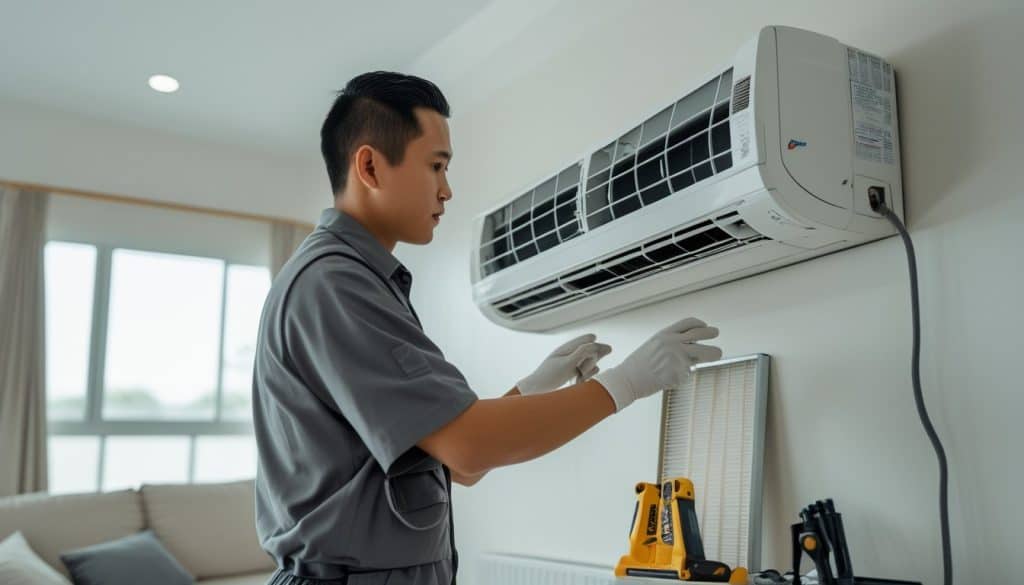
Understanding Air Conditioning Repair Basics
Air conditioning repair involves diagnosing and fixing issues that prevent cooling systems from operating efficiently. In tropical climates, such systems face constant demand, making timely repairs essential for comfort and energy savings. Beginners benefit from learning core principles before comparing available options.
Basic knowledge covers how refrigerant cycles, compressors, and filters interact. According to the U.S. Department of Energy, regular attention to these components can reduce energy use by up to 15 percent. Homeowners gain clarity by viewing repair as a structured process rather than a last-minute fix.
Recognizing Common AC Problems
Several indicators signal the need for air conditioning repair. Weak airflow, unusual noises, warm air output, and frequent cycling rank among the most frequent complaints. Water leaks around the indoor unit or sudden spikes in electricity bills also point to underlying faults.
Identifying these signs early allows comparison between simple fixes and more involved interventions. Ignoring them often leads to compressor failure, which elevates overall costs significantly.
Comparing DIY Repair and Professional Services
DIY approaches suit minor tasks such as cleaning filters or clearing drain lines. These steps require minimal tools and can restore basic function quickly. However, they carry limitations when electrical components or refrigerant handling enter the picture.
Professional services offer diagnostic equipment and certified technicians who address complex faults safely. Comparing the two options shows DIY saves money on simple issues while professionals deliver lasting results for major breakdowns, reducing the risk of repeated failures.
Evaluating Different Types of AC Units for Repair
Window and Portable Units
Window and portable air conditioners typically involve simpler repairs focused on filters, fans, and basic electrical contacts. Their compact design makes parts accessible yet limits internal space for advanced work.
Owners often compare self-service cleaning against calling a technician for capacitor or thermostat replacements.
Split and Central Systems
Split and central air conditioning systems demand more specialised attention because of outdoor condensers and extensive ductwork. Refrigerant leaks and sensor calibrations appear more frequently in these setups.
Repair options here favour trained professionals who can pressure-test lines and balance airflow across multiple rooms.
Cost Factors in Air Conditioning Repair
Repair expenses vary according to problem severity, unit type, and labour rates. Filter replacements or drain clearing remain low-cost, while compressor or coil work raises the total considerably. Location and seasonal demand also influence pricing.
Comparing quotes from multiple providers helps households weigh immediate outlay against long-term efficiency gains. Transparent pricing structures allow clearer decisions between partial fixes and comprehensive overhauls.
Repair Versus Replacement: Making the Right Choice
Deciding between repairing an existing unit and installing a new one depends on age, repair frequency, and energy performance. Units older than ten years often consume more power, tilting the balance toward replacement.
A side-by-side comparison of cumulative repair bills against the price of a modern energy-efficient model clarifies the better financial path. Efficiency ratings and available warranties further inform this evaluation.
Selecting the Best Repair Technician or Company
Choosing a reliable provider involves checking certifications, customer reviews, and response times. Licensed technicians demonstrate familiarity with local safety codes and refrigerant regulations.
Comparing service packages—such as emergency call-outs versus scheduled maintenance contracts—reveals which option aligns with household needs. Written estimates and clear guarantees protect against unexpected charges. Related source: WhatsApp aircon repair technicians through SeekHomeFix.
Essential Tools for Basic Air Conditioning Fixes
A basic toolkit for introductory repairs includes a screwdriver set, fin comb, multimeter, and replacement filters. These items enable safe inspection and simple component swaps without specialised training.
When comparing tool investments against professional call-out fees, owners discover that modest equipment covers routine upkeep while complex diagnostics still require expert instruments.
Safety Guidelines During AC Repair
Safety remains paramount whenever handling air conditioning equipment. Power must be disconnected at the breaker before any internal work begins. Protective gloves and eyewear guard against sharp fins and chemical exposure.
Refrigerant handling falls under regulated procedures; untrained individuals should avoid it entirely. Comparing DIY caution levels with professional protocols underscores why certified help is preferable for high-risk tasks.
Long-Term Maintenance to Avoid Frequent Repairs
Consistent maintenance schedules reduce the likelihood of sudden breakdowns. Monthly filter checks, annual coil cleaning, and periodic thermostat calibration keep systems running smoothly.
Households that compare proactive care plans against reactive repair costs typically find lower overall expenses and extended equipment life. Documented service records also support warranty claims when needed.